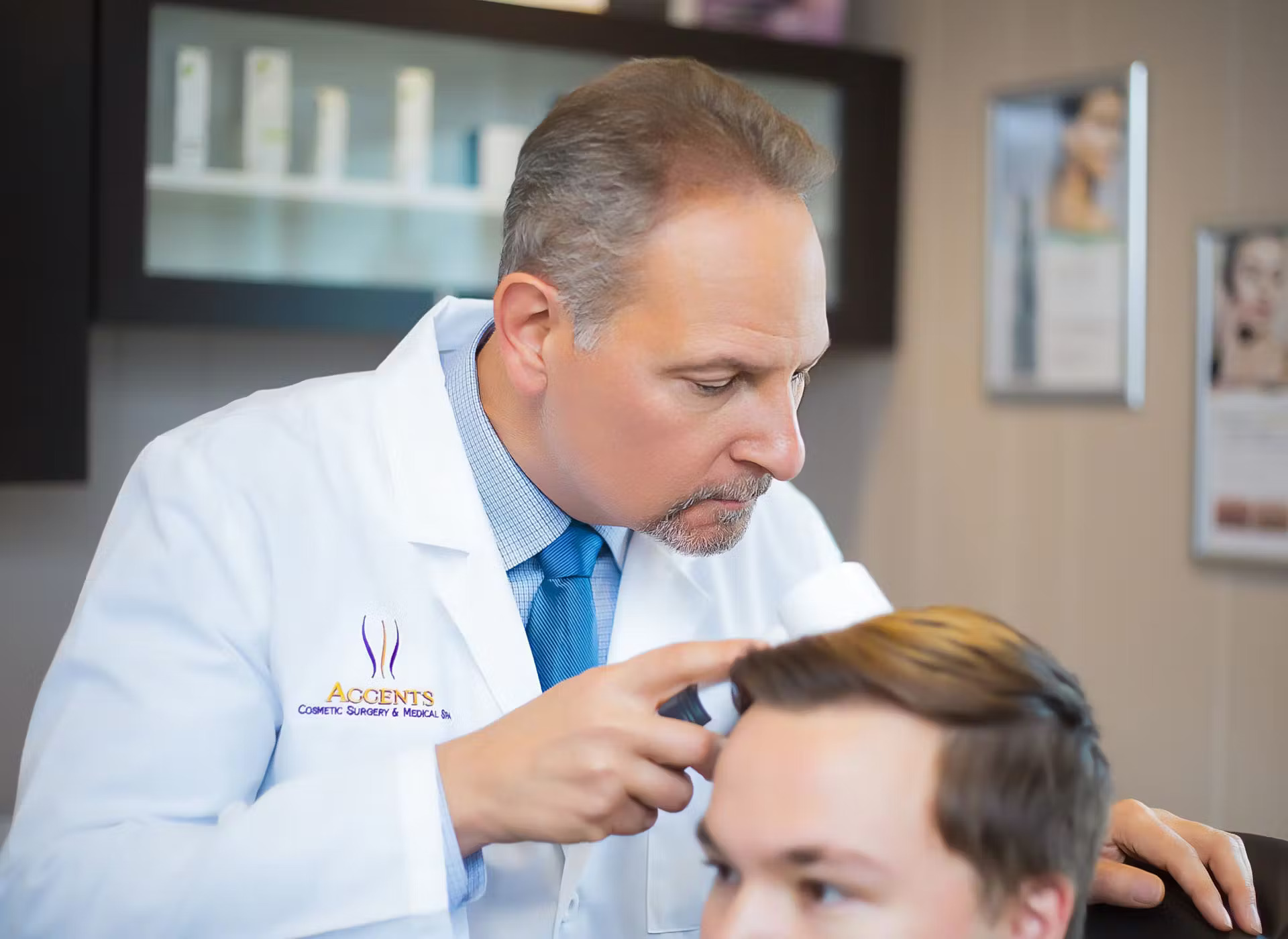
Five Alarming Reasons Why You Should Never Get a Hair Transplant Outside the U.S.
Five Alarming Reasons Why You Should Never Get a Hair Transplant Outside the U.S.

Undergoing a hair transplant is a significant medical decision that requires careful research and trusted medical oversight.
This blog explores the hidden dangers of undergoing hair transplant procedures outside the U.S., including inconsistent medical regulations, higher risk of complications, and limited aftercare support. It breaks down the top concerns that patients should weigh before choosing to travel for treatment. Hair Transplant Outside the U.S. is an increasingly common search topic, but here are Five Alarming Reasons to pause and reconsider your options.
Many clinics outside the U.S. operate under different regulatory frameworks, and those differences can mean lower standards of care.
Inconsistent medical regulations translate into variable inspection routines, differing credential verification processes for surgeons and staff, and uneven enforcement of safety protocols. Where a clinic in the U.S. might be subject to regular audits, strict licensing checks, and public accreditation databases, a facility abroad may face minimal oversight.
That regulatory gap can lead to clinics advertising advanced techniques and guarantees without the institutional accountability that protects patients. When you choose a clinic without standardized oversight, you accept the risk that procedural protocols, emergency readiness, and quality control are not held to the same benchmarks as in the U.S.
Another major concern is the experience and training of the surgical team. Hair transplant outcomes depend heavily on surgeon skill, technique, and judgment. Outside the U.S., titles and certifications do not always convey the same meaning; a doctor who performs transplants may have variable levels of specialized training, residency experience, or board certification.
In some markets, clinics rely on technicians rather than surgeons to perform critical parts of the procedure. That increases the likelihood of poor graft handling, incorrect placement, and inadequate donor-site management. Inexperienced providers are more likely to produce suboptimal results and to underestimate or mismanage complications. If something goes wrong during the procedure, or if the initial result requires revision, the ability to resolve the issue may be limited by the surgeon’s actual expertise and the clinic’s capacity to provide corrective care.
Hygiene and infection control protocols are non-negotiable in any surgical environment.
Poor hygiene protocols in some international clinics have been linked to higher rates of post-operative infection, scarring, and even systemic complications. Sterilization standards for equipment, the use of disposable materials, proper handling of grafts, and maintenance of a clean surgical environment vary widely.
In the worst-case scenarios, patients have reported inadequate sterilization between procedures, reused instruments, or makeshift operating rooms that fail to meet recognized medical standards. Infections in the scalp can be stubborn and difficult to treat; they can compromise graft survival, lead to further tissue damage, and require additional interventions that may not be available or affordable once the patient has returned home.
Aftercare is a critical component of successful hair restoration, and it is often the weakest link when procedures are performed abroad.
Lack of proper follow-up care means patients may leave the clinic before predictable post-operative issues can be identified and addressed.
Travel itself complicates recovery: flying shortly after surgery increases swelling and can exacerbate healing problems. Clinics abroad often provide minimal or short-term aftercare plans, and coordination for long-term follow-up with a provider in the U.S. is frequently lacking.
When complications arise or when follow-up adjustments are needed—whether to treat infection, address shock loss, or plan a revision—the logistical and legal hurdles to getting effective care grow. Limited aftercare support not only affects medical outcomes but also increases the emotional and financial burden on the patient.
One of the most personal and permanent risks is receiving results that look unnatural or are irreversible. Poor graft placement, incorrect density, and mismatched hairline design are common complaints from patients who had transplants in less-regulated environments. Once grafts have been placed and healed, correcting poor aesthetics requires additional surgery, often with scarring or reduced donor availability.
Irreversible or unnatural results can have a profound psychological impact, affecting self-image and confidence. Patients may also find that promised techniques or outcomes were misrepresented during the consultation, leaving them with choices that cannot be undone easily.
The emotional and social consequences of a failed procedure can be long-lasting, and options for meaningful correction may be limited, costly, and complex.
Hidden costs and accountability issues frequently accompany the decision to pursue treatment abroad.
Initial price quotes rarely include travel, accommodation, extended medical supplies, or the potential cost of complications and revisions. If an infection or poor outcome requires emergency care upon return to the U.S., treatment costs are likely to be higher than anticipated, and insurance may not cover complications from elective procedures performed abroad.
Legal recourse is another challenge: pursuing malpractice claims across international borders is complex, expensive, and uncertain. Clinics may operate under legal systems that offer limited protections for foreign patients, or they may be structured to avoid long-term liability. Dive into risks: regulation, hygiene, accountability, hidden costs. That short phrase captures the multifaceted vulnerabilities patients face when prioritizing price savings or convenience over consistent medical standards.
Beyond the immediate clinical risks, there are practical considerations that influence overall safety and satisfaction. Communication barriers, cultural differences in medical practice, and varying standards of informed consent can impede a patient’s ability to make fully informed choices. Pre-operative assessments may be rushed or incomplete in high-volume medical tourism centers.
Photos and testimonials used for marketing can be selective and unverified, and clinics may pressure patients to commit quickly to maximize booking schedules. The business model of medical tourism often emphasizes volume and cost reduction, which can be at odds with the individualized care and measured planning that good surgical outcomes require.
Choosing where to undergo a medical procedure is not merely a matter of price.
It is a decision about access to emergency care, continuity of care, clear lines of accountability, and the assurance that the provider’s credentials and facility standards align with expectations.
For many patients, the perceived savings of getting a hair transplant outside the U.S. evaporate once complications, revisions, or extended treatments become necessary. The emotional cost of a poor aesthetic outcome and the logistical barriers to effective remediation compound the financial downside.
There are practical steps prospective patients can take to protect themselves. Verify that the surgeon has verifiable credentials, relevant fellowship or specialized training, and a track record that can be independently confirmed.
Request detailed, written aftercare plans and clarify who will manage follow-up treatment if complications occur after you return home. Insist on transparency about sterilization practices, the roles of technicians vs. surgeons in the operating room, and the specifics of the surgical technique to be used.
Where possible, choose clinics that can demonstrate international accreditation or partnerships with reputable institutions and that maintain clear lines of communication for post-operative care.
Consider the full cost of travel, potential time off work, and contingency plans for complications before making a decision.
Ultimately, the decision to pursue a hair transplant should be grounded in a clear understanding of the risks and a realistic appraisal of the medical, logistical, and legal protections available to you. Hair Transplant Outside the U.S. may appear tempting because of lower headline prices, but the Five Alarming Reasons outlined here, unregulated clinic standards, inexperienced surgeons, poor hygiene protocols, lack of proper follow-up care, and irreversible or unnatural results, highlight why many people are better served by choosing providers with consistent oversight and strong post-operative support.
Weigh the potential savings against the possible lifetime impact on your health, appearance, and finances, and make an informed decision that prioritizes safety, accountability, and long-term outcomes.