The Complete Guide to Hair Restoration Success: What to Expect from Start to Finish
The Complete Guide to Hair Restoration Success: What to Expect from Start to Finish

Deciding to pursue hair restoration is a meaningful choice that often blends emotional, aesthetic, and medical considerations.
This Complete Guide reframes hair restoration as an ongoing journey rather than a single event. By understanding the process in detail, what to expect from Start to Finish, you can move forward with confidence, realistic expectations, and a clear plan for long-term Hair Restoration Success.
What leads someone to consider hair restoration
Hair loss can result from genetics, hormonal changes, medical conditions, medications, stress, or lifestyle factors. Whether the concern is a receding hairline, diffuse thinning, or scarring alopecia, patients typically seek solutions that restore density, confidence, and natural appearance.
The first step in any successful restoration is a thorough assessment that identifies the cause, pattern, and prognosis of hair loss and matches those findings to appropriate treatment options.
Preparing for the initial consultation
A high-quality consultation is the foundation of predictable outcomes. Come prepared with medical history, list of medications and supplements, photographs showing progression of hair loss, and questions about goals and concerns.
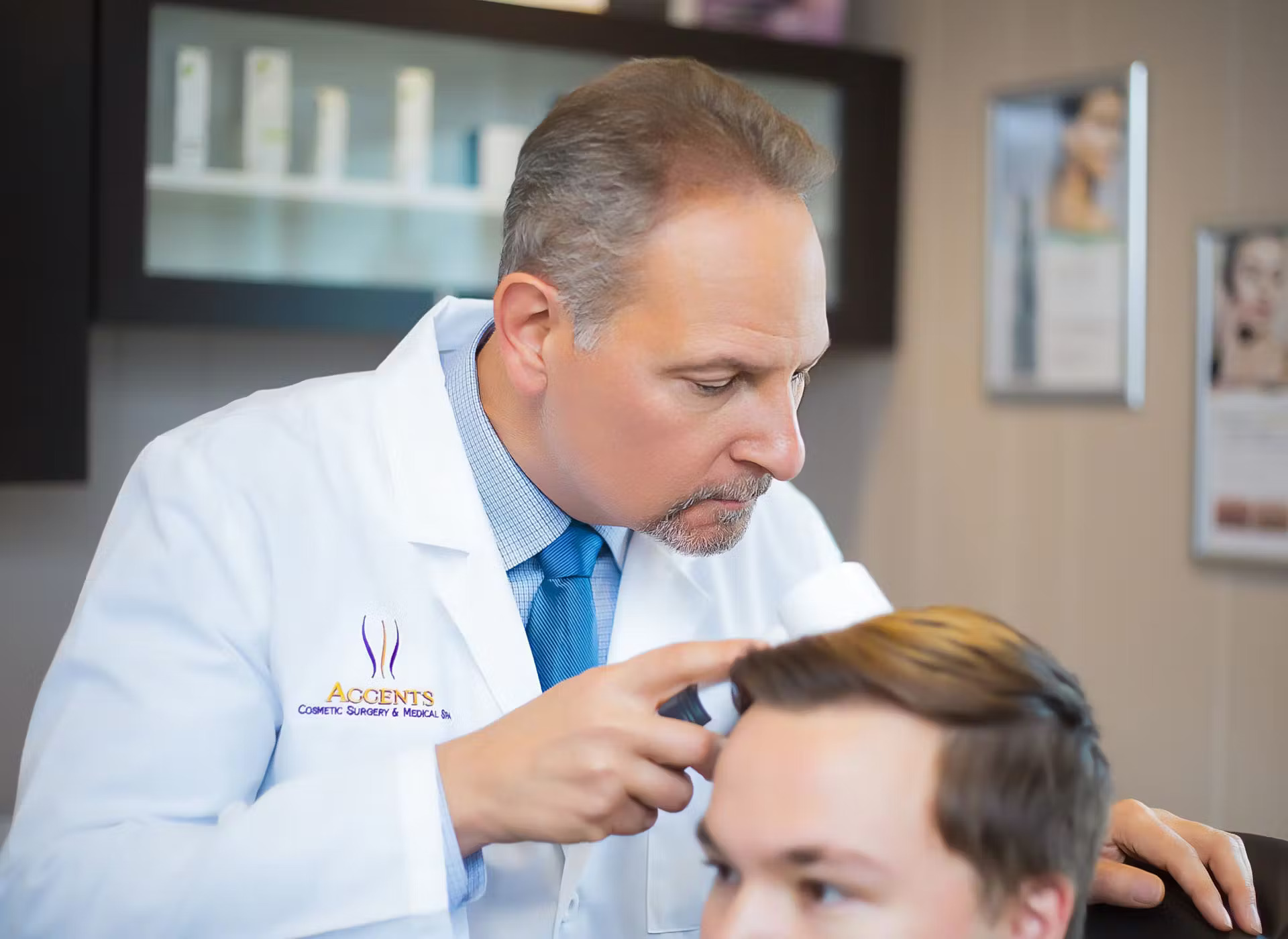
A reputable clinic will perform a detailed scalp examination, using magnification and, where appropriate, trichoscopy or diagnostic blood tests. Expect an honest evaluation of candidacy, which may include non-surgical options like topical therapies or oral medications, alongside surgical planning if indicated.
Choosing the right technique for your needs
There are multiple surgical and non-surgical approaches to hair restoration. Follicular Unit Extraction (FUE) and Follicular Unit Transplantation (FUT) are the most common surgical techniques.
FUE involves harvesting individual follicular units from a donor area and transplanting them to recipient sites, while FUT removes a strip of scalp for harvesting grafts. Non-surgical modalities include platelet-rich plasma (PRP), low-level laser therapy, and FDA-approved topical or oral medications.
The selection depends on donor hair availability, extent and pattern of loss, patient preference, and the clinician’s expertise. Discuss the pros and cons of each approach in relation to your goals.
Realistic expectations and the timeline for results
Understanding the timeline is crucial for mental and practical preparation. Immediately after surgery you will have transplanted grafts and some temporary swelling and scabbing.
Over the first two to three weeks, most patients experience shock loss of transplanted hairs, which is normal. New hair growth usually begins around three to four months and becomes increasingly noticeable at six to nine months. Final results typically manifest between 12 and 18 months.
Non-surgical treatments often require ongoing use and periodic maintenance sessions; improvements may be gradual and incremental. This section of the journey is where patience pays off, having a clear timeline of what to expect eliminates surprises and builds realistic optimism.
What to expect on the day of the procedure
On the day of a surgical procedure, clinics will provide preoperative instructions to optimize safety, examples include avoiding certain medications, not smoking, and arranging transportation for the return home.
The clinic environment should be sterile, and staff should review the surgical plan and answer last-minute questions. Local anesthesia is commonly used; patients remain awake but comfortable. The duration of the procedure varies based on graft numbers and technique, ranging from a few hours to a full day. Expect breaks, clear communication from the surgical team, and post-op care instructions before discharge.
Immediate postoperative care and recovery
Proper aftercare directly influences graft survival and Hair Restoration Success. Patients will receive guidance on wound care, pain management, sleeping position, and activity restrictions. Mild pain, swelling, and redness are normal in the first few days. Avoid strenuous exercise, heavy lifting, and direct sun exposure for the recommended period.
Many clinics provide tailored protocols including gentle shampooing, saline sprays, and topical agents to support healing. Following these instructions precisely reduces the risk of complications and supports the best aesthetic outcome.
Monitoring growth and addressing setbacks
During the months following surgery, follow-up visits allow the surgeon to monitor healing and hair growth. Some patients may experience uneven growth, temporary shedding, or minor complications like folliculitis. These are often manageable with conservative measures, antibiotics, or topical treatments.
If results plateau or expectations aren’t being met, a secondary evaluation can determine whether revisionary procedures or adjunctive therapies (such as PRP) could enhance outcomes. Regular communication with your provider is essential to stay aligned with the long-term plan.
Key factors that determine long-term success
Long-term Hair Restoration Success depends on multiple interrelated factors. Surgical skill and experience are paramount: precise placement, correct angle, and appropriate density planning yield the most natural results. Donor hair quality and availability dictate what is feasible.
Patient health, including smoking status, nutritional status, and management of underlying medical conditions, affects healing and graft survival. Adherence to postoperative and maintenance regimens — such as continuing medical therapies to slow native hair loss — preserves overall density.
Finally, selecting a reputable clinic with transparent practices, before-and-after portfolios, and long-term follow-up improves the odds of a successful outcome.
Maintaining results over time
Hair restoration may address existing baldness, but natural hair may continue to thin over time. Long-term maintenance often includes medical therapies like topical minoxidil or oral finasteride, lifestyle adjustments, and periodic checkups. Non-surgical boosters like PRP or low-level laser therapy can support hair health and density.
A thoughtful combination of surgical and non-surgical strategies tailored to the individual’s pattern of hair loss provides the best chance for sustained results.
Choosing the right provider and setting expectations for cost
Selecting a qualified provider is as important as choosing the technique. Seek board-certified dermatologists or plastic surgeons with specialized training and a track record in hair restoration. Request to see comprehensive before-and-after portfolios and patient testimonials.
During the consultation, obtain an itemized estimate that covers the procedure, anesthesia, facility fees, and post-op care. Be cautious of unusually low prices or high-pressure sales tactics.
Cost varies widely depending on graft numbers, technique, geographic location, and reputation of the clinic; investment in quality often correlates with better outcomes.
Emotional and psychological aspects of the journey
Hair restoration can significantly impact self-esteem and social confidence, but it can also trigger anxiety, impatience, or unrealistic expectations. Mental preparedness and a supportive care team help navigate the emotional ups and downs.
Consider counseling or joining patient communities to share experiences and strategies. Emotional well-being is part of the journey from Start to Finish and should be acknowledged alongside the physical process.
Common myths and misconceptions
Many misconceptions surround hair restoration, such as “immediate full results,” “one procedure fixes everything forever,” or “anyone can get dense coverage regardless of donor supply.”
This Complete Guide aims to dispel myths by emphasizing accurate timelines, the need for realistic density planning, and the possibility of staged procedures. Open dialogue with your surgeon helps align expectations with biological realities and technical possibilities.
Final considerations before committing
Before proceeding, review your goals in light of the clinical evaluation. Ask for a clear surgical plan that outlines expected densities, graft counts, and a realistic timeline for growth. Understand the potential need for adjunctive treatments and long-term maintenance.
Verify the clinic’s credentialing, infection control practices, and post-op support. If you feel rushed or pressured, seek a second opinion. The most successful outcomes come from careful planning, skilled execution, and patient adherence to follow-up care.
How to measure success at the end of the journey
Evaluate success by both clinical and personal measures: graft survival, natural hairline design, consistent density, and patient satisfaction with appearance and self-confidence.
Long-term success also includes the stability of results and the ability to maintain hair health with minimal complications. Discussing objective photography and follow-up plans with your provider helps measure progress and document results relative to your initial goals.
A final word about the journey
Hair restoration is best approached as a thoughtful journey rather than an impulsive fix. This Complete Guide has outlined the stages,from consultation through technique selection, the day of the procedure, recovery, long-term maintenance, and the psychological aspects, to help you know What to Expect from Start to Finish.
With realistic expectations, the right provider, and careful adherence to postoperative and maintenance protocols, achieving Hair Restoration Success is an attainable outcome that can restore not only hair but also confidence and quality of life. If you are considering hair restoration, schedule a comprehensive consultation with a qualified specialist to get personalized guidance tailored to your unique needs and objectives.